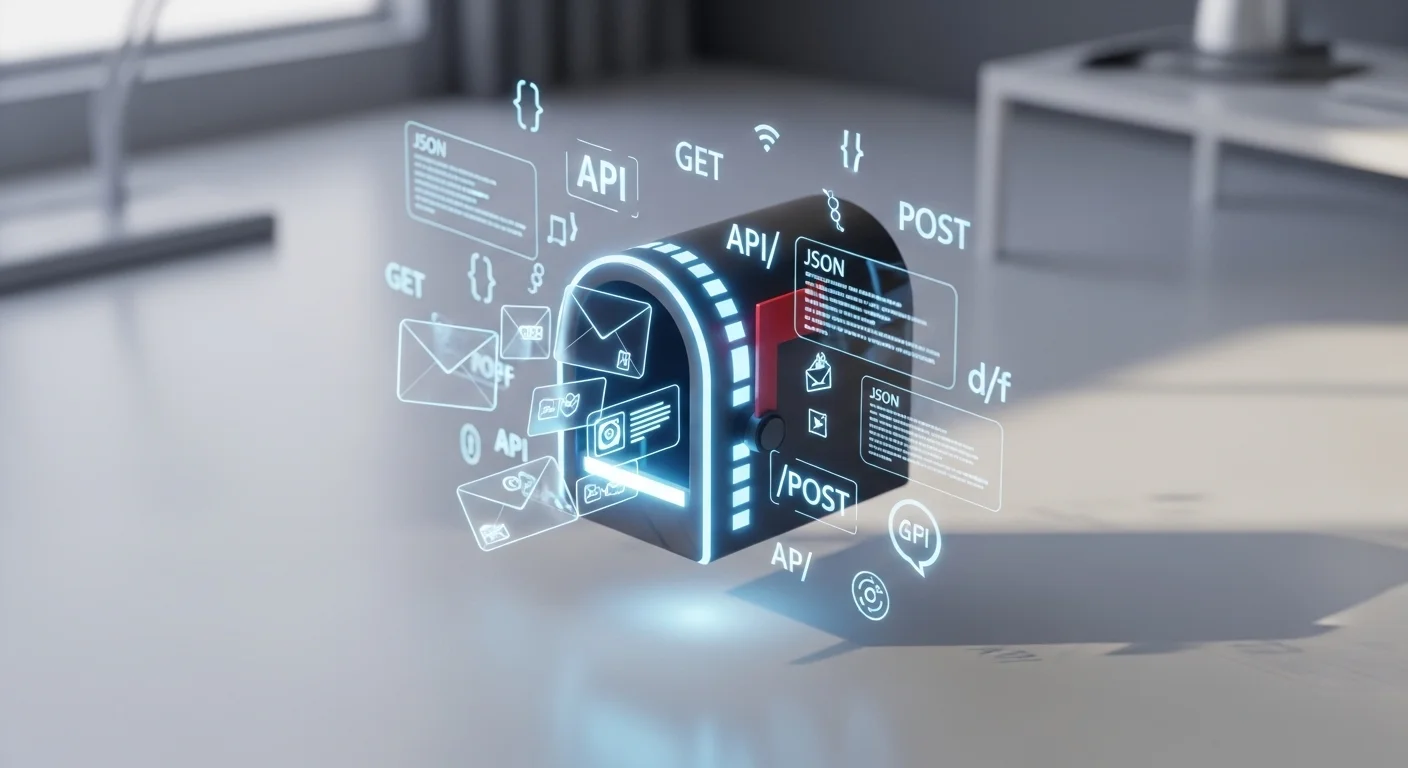
How Marketers and Developers Use Disposable Emails for Testing

When we think of temporary emails, we usually picture everyday users trying to dodge spam, access a free software trial, or protect their online privacy. However, there is a massive professional demographic that relies on disposable email services just as heavily, if not more so: Digital Marketers and Software Developers.
Building a robust SaaS application or launching a highly targeted, automated marketing campaign requires rigorous Quality Assurance (QA). Sending test emails to your personal or corporate inbox quickly becomes a disorganized, cluttered nightmare. Let's dive deep into how tech professionals use Temp Free Mail to streamline their workflows, debug complex systems, and optimize end-user experiences.
Instant QA & Developer Email Testing
Use our Free Temp Mail Generator to test signup flows and inspect headers.
1. Why Software Developers Need Disposable Emails
For a developer or QA engineer, ensuring that user authentication, database entries, and transactional notification systems work flawlessly is a top priority. Whether building a complex e-commerce backend or a simple web forum, email remains the backbone of user communication.
- Testing the Sign-Up Flow: Developers need to create dozens, sometimes hundreds, of dummy accounts to test registration processes, edge cases, and onboarding sequences. Temp mail allows them to generate infinite unique addresses instantly without hitting rate limits.
- Verifying OTPs and Password Resets: "Forgot Password" links and One-Time Passwords (OTPs) are critical security features. Developers use disposable inboxes to confirm that these automated API calls are triggering correctly and delivering tokens within seconds.
- Debugging Email Delivery (SMTP/API): When integrating third-party email services like SendGrid, Mailgun, or AWS SES, engineers must ensure emails aren't bouncing or malformed. Temp mail provides a neutral, raw inbox to verify delivery status and inspect HTML/text headers.
Automated QA Pipelines (Selenium & Cypress)
Advanced development teams integrate temp mail APIs directly into their automated testing frameworks (like Selenium or Cypress). This allows end-to-end (E2E) testing bots to autonomously register an account, fetch the verification link from the temp inbox, and confirm the user journey without human intervention.
2. How Marketers Perfect Campaigns with Temp Mail
Email marketing remains one of the highest ROI channels available in 2026. But sending out a newsletter to 100,000 subscribers with broken links, terrible mobile formatting, or unrendered images can severely damage a brand's reputation. Meticulous marketers use temporary emails as a vital step in their pre-launch checks.
- A/B Testing Subject Lines & Preheaders: Marketers send variations of a campaign to different temporary email addresses to see exactly how the subject line, emojis, and preview text appear in a real-world inbox environment.
- Checking Responsive HTML Design: Complex HTML emails can break depending on the client. Sending tests to disposable addresses helps marketers verify that images scale correctly, CTA buttons are clickable, and the layout looks perfect on both desktop and mobile screens.
- Testing Automated Drip Campaigns: When setting up complex automation workflows (e.g., "Abandoned Cart" or "Post-Purchase Follow-up"), marketers need to trigger the sequence manually. Using temp mail allows them to experience the funnel exactly as a real customer would over several days.
| Testing Method | Using Corporate/Gmail Inbox | Using Temp Free Mail |
|---|---|---|
| Account Creation | Blocked by Phone Verification after 3 accounts | Generate unlimited addresses instantly |
| Inbox Organization | Cluttered with hundreds of mixed test emails | Clean slate for every single test |
| Automation (E2E) | Very difficult to program bot access (CAPTCHAs) | Easily integrated via endpoints and standard UI |
3. The Problem with Gmail Aliases (The "+" Trick)
You might ask, "Why don't developers and marketers just create a test Gmail account and use the plus alias trick (like devteam+test1@gmail.com)?"
While that works for a single, basic test, it falls apart at scale in 2026. Many modern SaaS platforms and firewalls now strip the "+" tag from emails or block them entirely to prevent multiple sign-ups. Furthermore, testing multiple variations of a marketing email to the same base inbox makes it incredibly difficult to keep track of which version is which, leading to a confusing mess.
Frequently Asked Questions (FAQ)
Can I use Temp Free Mail for automated Selenium testing?
Yes, the straightforward UI allows automated browser bots to easily fetch incoming emails, extract OTPs using standard DOM queries, and complete end-to-end registration tests without hitting CAPTCHA blocks.
Does Temp Mail block tracking pixels in marketing emails?
Temp Free Mail is designed to display emails exactly as they are sent. However, because it acts as a neutral sandbox, marketers can clearly see if their embedded tracking pixels or UTM parameters are rendering correctly in the raw HTML without skewing their actual internal analytics.
Are disposable emails secure for testing sensitive app data?
They are excellent for testing generic user flows. However, developers should ensure they are not passing real customer PII (Personally Identifiable Information) or live production data into test emails, regardless of the email service used.
Conclusion: A Professional Essential
Disposable email services are not just a privacy shield for consumers; they are an essential, time-saving utility in the tech and marketing industries. By utilizing Temp Free Mail, developers can efficiently debug complex authentication APIs, and marketers can guarantee their campaigns are polished to perfection.
Whether you are writing backend code or crafting persuasive copy, adding temporary email to your Quality Assurance toolkit reduces errors, speeds up deployment, and ultimately leads to a vastly superior product for your end users.